Product Details
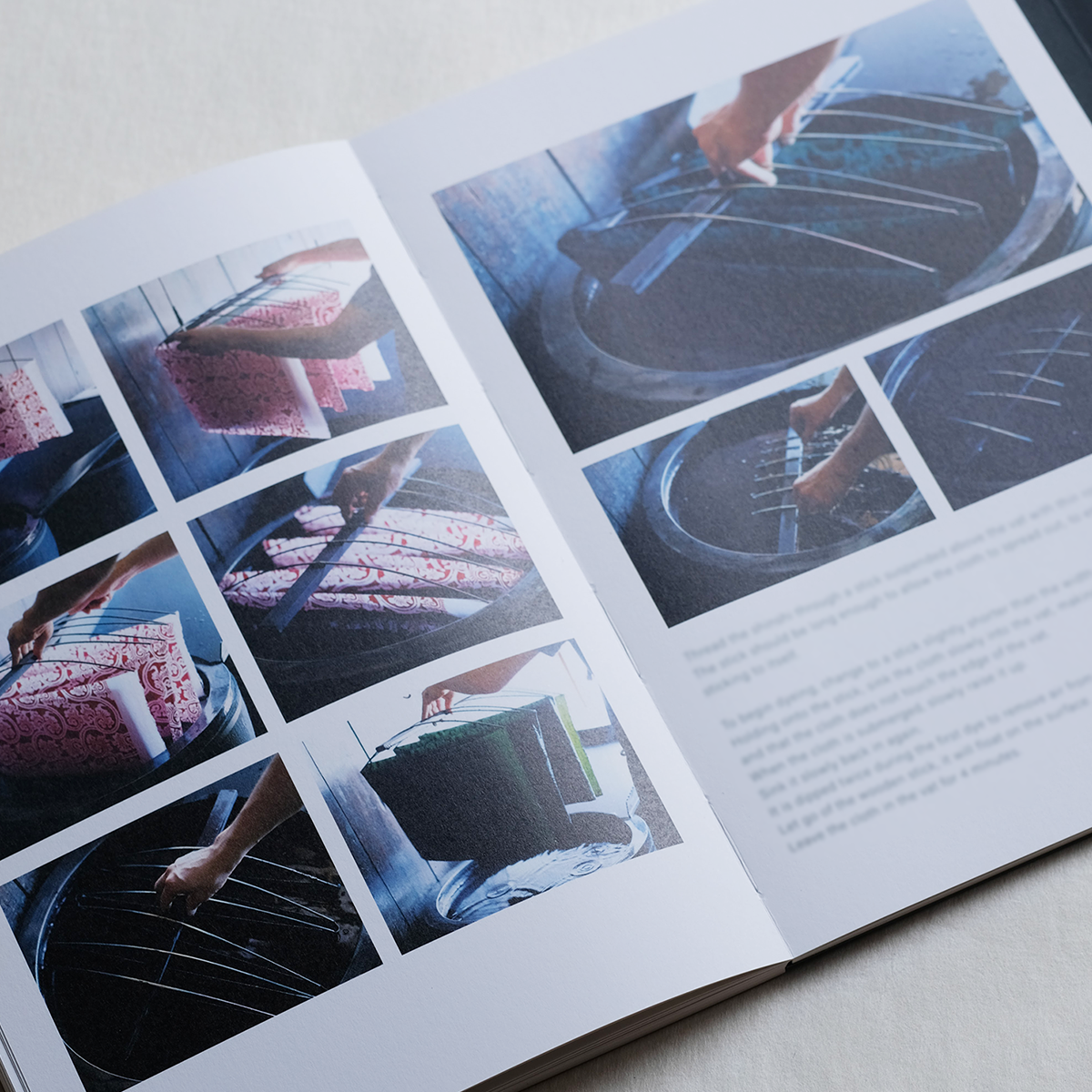
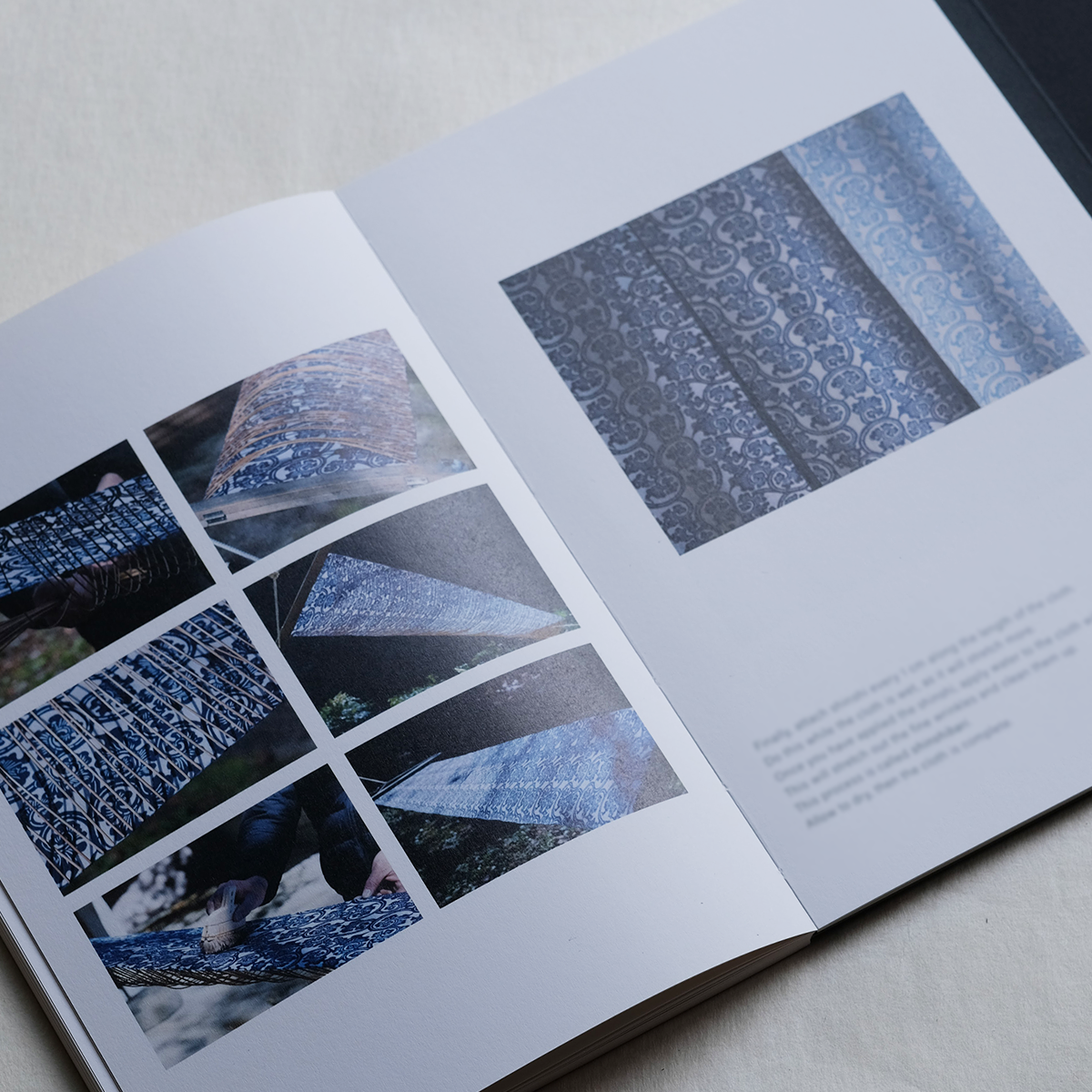
ABOUT THE KATAZOME BOOK
Author : Takayuki Ishii / awonoyoh
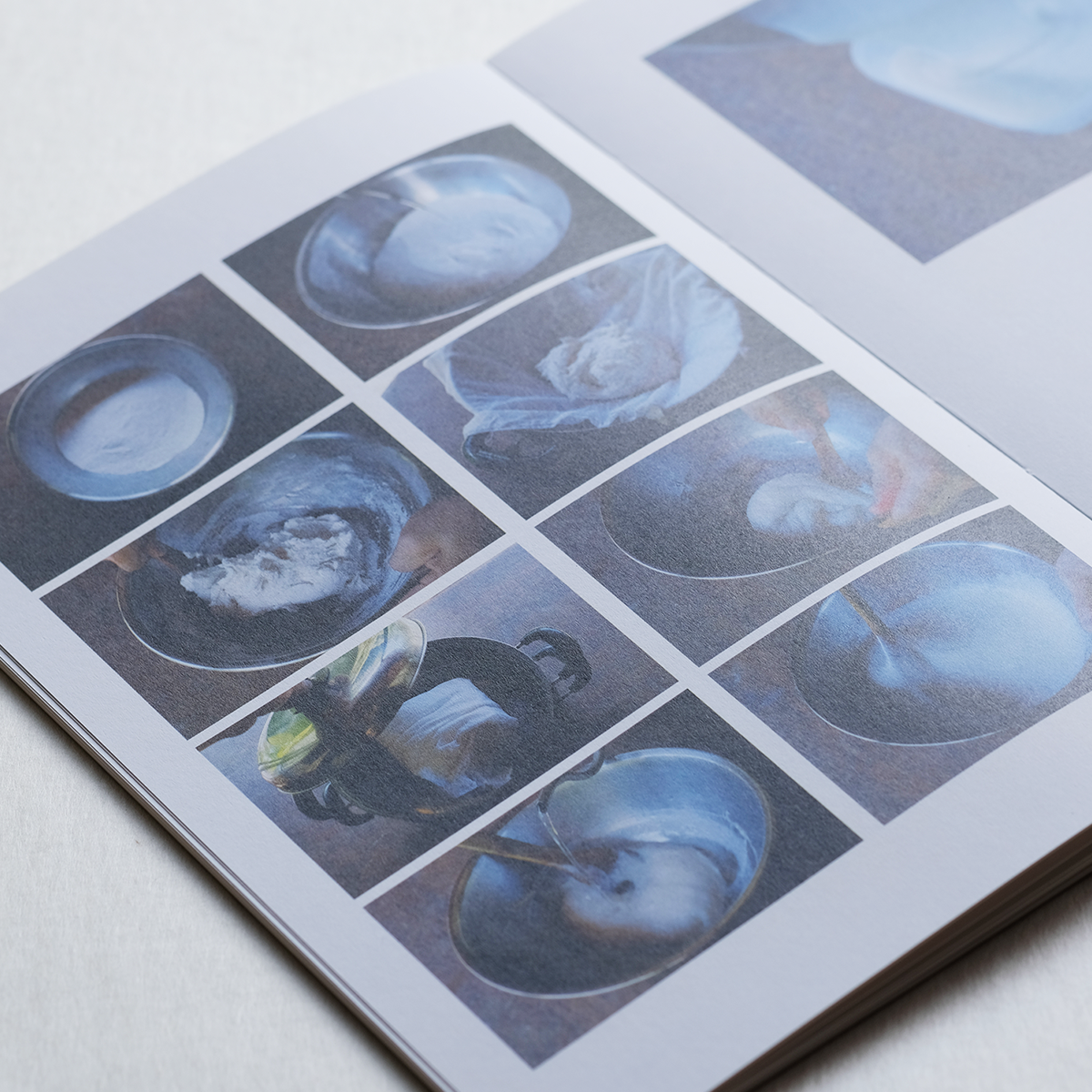
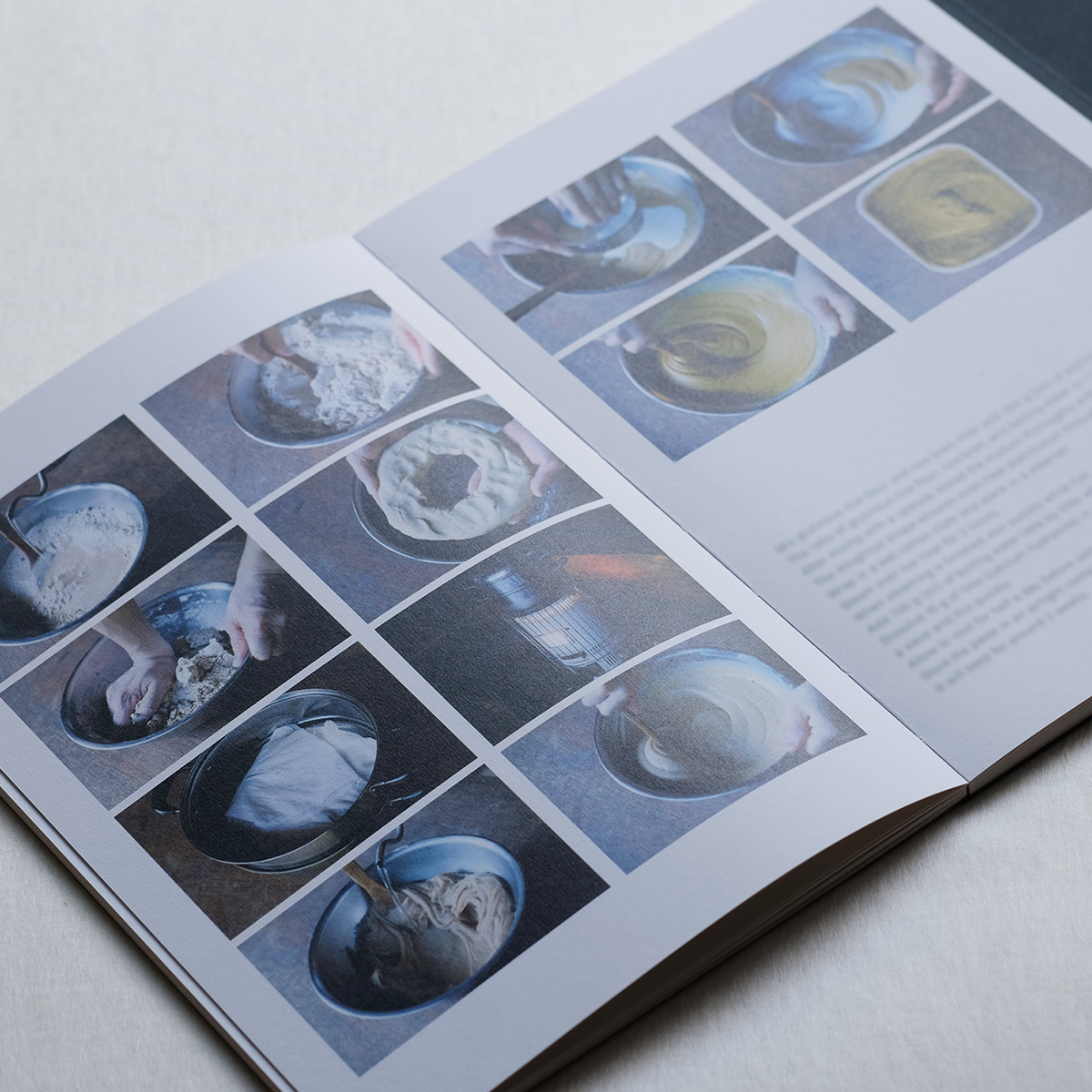
Contents : Traditional Japanese Katazome Technique
・About types of stencils
・About cutting mat and cutting knife
・How to cut a stencil paper
・About the bridge that connects the pattern
・How to repeat and connect patterns
・About the mesh attached to the stencil paper
・About persimmon tannin liquid
・About scouring
・How to use the seaweed glue
・How to stretch a fabric
・About the wooden board used for stencil dyeing
・About the paste to be applied to the board
・How to attach the cloth to the board
・How to make paste for wooden board
・How to make paste for stencil dyeing
・About spatula
・How to apply paste to fabric with a stencil
・How to apply paste to both sides of the cloth
・About the various tools used to dye cloth
・About the dyeing method
・How to wash cloth after dyeing
・How to dry dyed cloth
・About the cutter knife for cutting in a round shape
*After shipment from Japan, it will take approximately 20 days for items to arrive.
*The delivery may be delayed for certain reasons.
*こちらの商品は日本国外のお客様への販売となります。ご了承ください。
FREE SHIPPING :
We cannot ship to Latin America and Africa and Japan.
We ship free of charge to all other countries.
Katazome is a Japanese method of resist-dyeing that involves cutting a pattern onto specialist paper to create a stencil, which is used to apply resist-paste onto fabric before dyeing. Katazome is a sophisticated technique born from a combination of factors: the skilled craftsmanship and fertile imagination of the Japanese people, the raw materials available in Japan, and the climate - humidity is essential for the resist-paste used in katazome. I fear that the katazome technique will cease to exist in the near future due to various factors, such as global warming, the declining quality and availability of materials, the economy, and the changing character of the Japanese people. With this in mind, I have decided to share this traditional technique with the public. Each of the many steps involved in traditional Japanese katazome has been developed with precision. This book will guide you through the whole process. I hope your way of katazome will be brightly lit. Taka